- About Us
- Climate & Environment
- Our Culture
- Governance
- Stories

Chubb Group Executives

Chubb has operations in 54 countries and territories and can help clients manage their risks anywhere in the world.

The company took its present form in 2016 when ACE Limited acquired the Chubb Corporation, creating a world leader in insurance.

The National Geographic Society and the Chubb Charitable Foundation are partnering together to drive transformational change for vital ecosystems at the intersection of land and water.

Chubb Climate+ draws on our extensive technical capabilities in underwriting and risk engineering, bringing together Chubb units engaged in Renewables, Alternative Fuels, Climate Tech, and Risk Engineering services.

At Chubb, we recognize our responsibility to provide solutions that help clients manage environmental risks, to reduce our own environmental impact and to make meaningful contributions to environmental causes.

Chubb’s culture is defined by who we are, the behaviors we expect of each other, and what we reward and recognize.

Guided by steady leadership and a commitment to the highest levels of personal and professional integrity.


Discover our latest news, insights, stories and profiles

In a June 21 exclusive interview on Fox News’ Sunday Morning Futures with Maria Bartiromo, Chubb Chairman and CEO Evan Greenberg connected an urgent present-day risk to the company’s earliest purpose. As tension around the Strait of Hormuz kept global shipping on edge, he described Chubb’s new marine war risk consortium not as a departure, but as a continuation of a role the company has played since 1792.
Key Takeaways
- Chubb helped launch a marine war risk consortium to support ships transiting the Strait of Hormuz, where Greenberg said mines, drones, and missiles are the core threats.
- Greenberg tied that move directly to Chubb’s roots, noting that the company was founded in 1792 to insure marine shipping and is now extending that role to today’s most sensitive trade corridor.
- On supply chains, he argued that businesses and countries should avoid sole-source dependence in pharmaceuticals, rare earths, and semiconductors by building multiple sources of supply.
- His broader economic view was steady: U.S. growth is running at about 2%, with much of the investment concentrated in AI, energy, and infrastructure.
What is Chubb doing about marine war risk in the Strait of Hormuz?
Greenberg outlined the new Chubb-led marine war risk consortium for Strait of Hormuz shipping, placing the company at the center of one of the world’s most immediate commercial risk zones. He described conditions as volatile and said only a narrow channel is currently being used for transit, limiting shipping flows even with U.S. military vigilance and protection in place. His risk assessment was direct: “Mines and drones and missiles. Mines are the greatest uncertainty.” It was a practical explanation of what Chubb is underwriting and why specialized protection matters when a critical international waterway is operating under war zone conditions.
Why does Chubb's 1792 founding matter today?
Assuming marine war risk in the current environment is not a departure from Chubb's strategic identity; rather, marine risk is the exact reason the company was originally formed. Chubb traces its history to the Insurance Company of North America, founded in 1792 in Philadelphia. Greenberg made the connection explicit: “In 1792 when we were created, it was really created for the purposes to begin with of insuring marine shipping… And ironically, here we are on the 250th anniversary providing that important protection for the ships that are transiting now.” This 234-year history demonstrates how deeply embedded marine risk underwriting is within Chubb's corporate DNA.
How does Greenberg view U.S.-China risk and supply chain resilience?
Greenberg’s supply chain message was straightforward: resilience depends on avoiding concentration risk, particularly amid complex U.S.-China relations. He pointed to pharmaceuticals, rare earths, and semiconductors as areas where overreliance on one source can create unnecessary vulnerability for both businesses and national economies, stating: “We shouldn’t have sole source supply of virtually anything. You should have multiple sources of supply to create resilience.” This approach ensures that businesses can withstand localized disruptions, diplomatic shifts, or sudden market shocks without suffering catastrophic operational failures.
Chubb Helps Businesses Move Forward in an Uncertain World
Chubb’s position in this interview was consistent across subjects: act where risk is real, stay grounded in fundamentals, and think long term. Greenberg paired a 2% U.S. growth outlook with conviction around AI, energy, and infrastructure investment, while reinforcing Chubb’s scale as a world leader in insurance operating in 54 countries and insuring 97% of Fortune 1000 companies. From 1792 marine shipping to today’s Hormuz coverage, the message was clear: Chubb sees its role as enabling businesses to move forward in an unpredictable world.

The New Era of Luxury Collecting & Investment

The wine collecting experience

How social media is changing the luxury collectibles industry
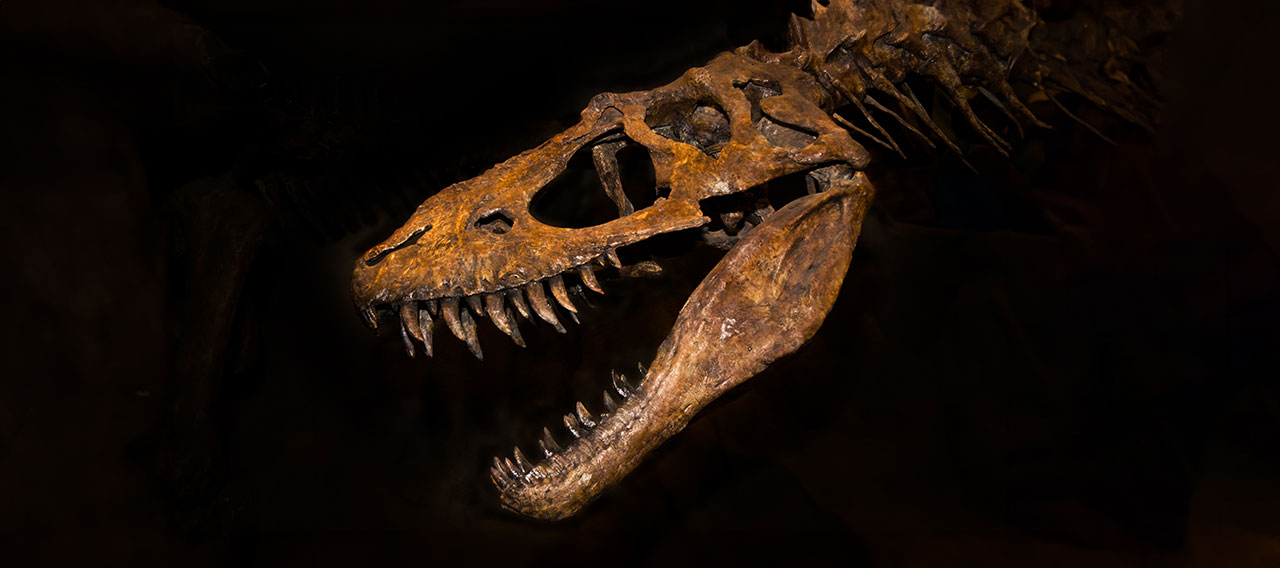
Want to collect fossils? Here’s what to know.