
- About Us
- Climate & Environment
- Our Culture
- Governance
- Stories

Chubb Group Executives

Chubb has operations in 54 countries and territories and can help clients manage their risks anywhere in the world.

The company took its present form in 2016 when ACE Limited acquired the Chubb Corporation, creating a world leader in insurance.

The National Geographic Society and the Chubb Charitable Foundation are partnering together to drive transformational change for vital ecosystems at the intersection of land and water.

Chubb Climate+ draws on our extensive technical capabilities in underwriting and risk engineering, bringing together Chubb units engaged in Renewables, Alternative Fuels, Climate Tech, and Risk Engineering services.

At Chubb, we recognize our responsibility to provide solutions that help clients manage environmental risks, to reduce our own environmental impact and to make meaningful contributions to environmental causes.

Chubb’s culture is defined by who we are, the behaviors we expect of each other, and what we reward and recognize.

Guided by steady leadership and a commitment to the highest levels of personal and professional integrity.


Discover our latest news, insights, stories and profiles
Chubb Extreme Heat Resource Hub

Why extreme heat matters
Extreme heat is the leading cause of climate-related deaths worldwide and it’s getting worse.1 As heat waves grow more frequent and intense across the globe, they put both human health and economic productivity at risk, and threaten the basic infrastructure we depend on, from energy grids to roads.
Heat has major global economic implications as heat-related productivity losses topped $220 billion globally in 2023 alone.2 Indoor and outdoor workers alike are exposed, and the same heat waves that endanger public health also accelerate the degradation of critical infrastructure.
The good news is that solutions exist, and many are simple - from planting trees to adjusting workers schedules. What’s required is awareness and coordination across communities, employers, and individuals.
The Chubb Extreme Heat Hub outlines research, resources, and solutions needed to combat the deadly and costly impacts of extreme temperatures, across industries and geographies.

Worker Safety
Heat-related health impacts aren’t limited to outdoor workers or people with pre-existing conditions — and the toll is significant. Researchers from Harvard and George Washington University found that 28,000 worker injuries in the U.S. can be linked to working on hot days.3
Indoor workers in active roles like pick-and-pack or manufacturing can be just as much at risk as those working outdoors. Risk also extends beyond the job site: employees without air conditioning at home may may report to a job site already vulnerable to temperature exposure, those living in urban centers experience higher temperatures due to the heat island effect, while rural communities may lack close resources for adequate cooling.
Individuals, communities, and businesses all have a role to play in protecting people from the worst impacts of heat. For employers, that starts with a heat action plan that builds workforce resilience — for indoor and outdoor roles alike.
Explore practical strategies to safeguard workers

Occupational Heat Stress
The risk of workplace injury increases when the daily heat index is above 85˚F, with a sharp increase above 90˚F - meaning that employees in a variety of occupations are vulnerable to heat-related injuries and illnesses. This document explores the causes of heat stress, how to recognize symptoms, and what measures can be taken to prevent and respond to various heat illnesses.

Occupational Heat Stress Checklist
Is your organization prepared for extreme heat? Use Chubb's Occupational Heat Stress Checklist to evaluate your heat safety program, identify improvement opportunities, and help protect your workforce from heat-related risks. For additional risk management tools and expert insights Chubb clients can explore the Chubb Risk Consulting Library.
Property and extreme heat
As temperatures rise, the physical materials in our roads, railways, buildings and power lines can break down our buckle, leading to safety incidents and prolonged business interruption.
Businesses and communities can integrate solutions to protect property from the worst impacts of extreme heat, from innovative cooling paints and roofs to grid hardening and renewable back up energy.

Extreme Heat and the Built Environment
Explore strategies for building owners, businesses and communities to protect properties from the worst impacts of extreme heat in our To The Point document on Extreme Heat and the Built Environment.
Resource library
- Heat Exposure Resources | U.S. OSHA
- Heat Injury and Illness Prevention in Outdoor and Indoor Work Settings Rulemaking | U.S. OSHA
- Protecting Against Extreme Heat: Tip Sheets for Employees & Employers | Health Action Alliance
- Managing Extreme Weather and Climate Risks at Work: A Starter Guide for HR Leaders | Health Action Alliance
- Manage and Adapt to Heat at Home | Global Heat Health Information Network
- Framework for a Heat-Ready Nation | Federation of American Scientists in collaboration with Ten Across
- Heat Resilience: An Opportunity for Cross-Sector Action in the United States | Forum for the Future and the Climate & Health Coalition
- Extreme Heat, Hurricanes, Wildfires: How Summer’s Extremes Disrupt the Power Grid | U.S. DOE
- Heat and Health | WHO
- What to Know About Extreme Heat | World Economic Forum
- Understanding Heatwaves: Beyond Extreme Temperatures | Global Heat Health Information Network
- Innovating Heat Resilience: Lessons from India for a Warming World | Global Heat Health Information Network
- Impact of U.S. Labor Productivity Losses from Extreme Heat | Federal Reserve Bank of San Francisco4
Resilience Insights
Business Continuity and Climate Change
As the world heats up so, too, do physical risks. Learn how climate perils like extreme heat can impact your business – and how Chubb can help you become more resilient.
Heat Resilience Case Study
Explore how Chubb Resilience Services worked with a pharmaceutical manufacturer to identify heat resilience enhancements with a net benefit of over $450,000.
Protecting Your Home from Extreme Heat
Every household should be prepared to stay safe during heat waves. These key steps help protect your property from damage caused by repeated exposure to extreme heat.
Explore Our Hubs
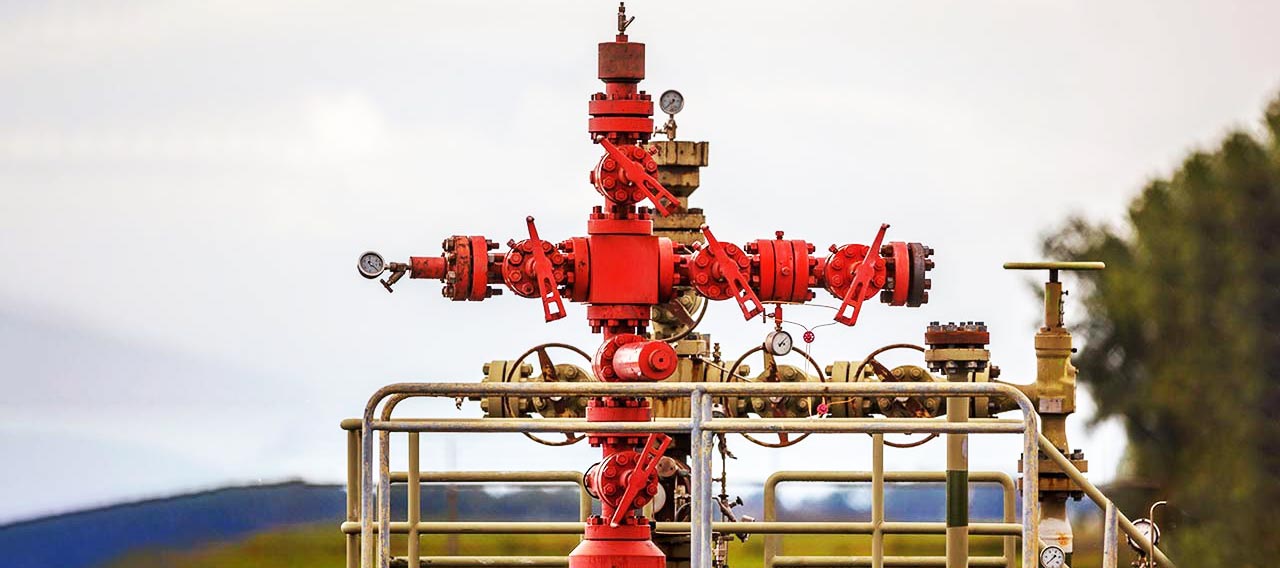
Methane Resource Hub
Agriculture Sustainability Hub
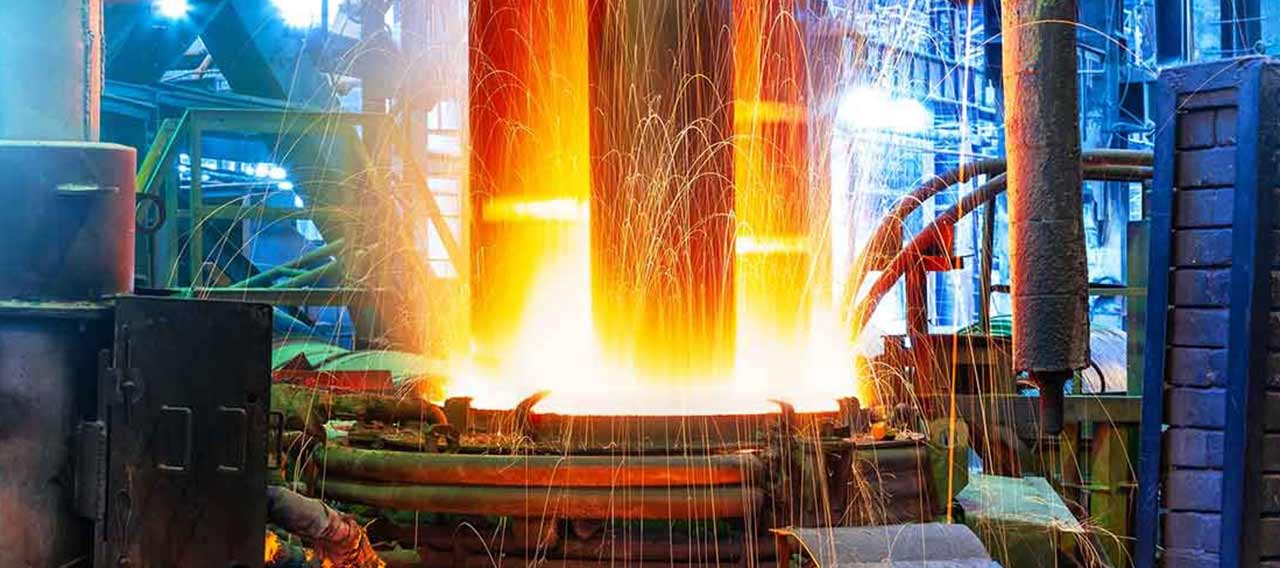
Steel Resource Hub
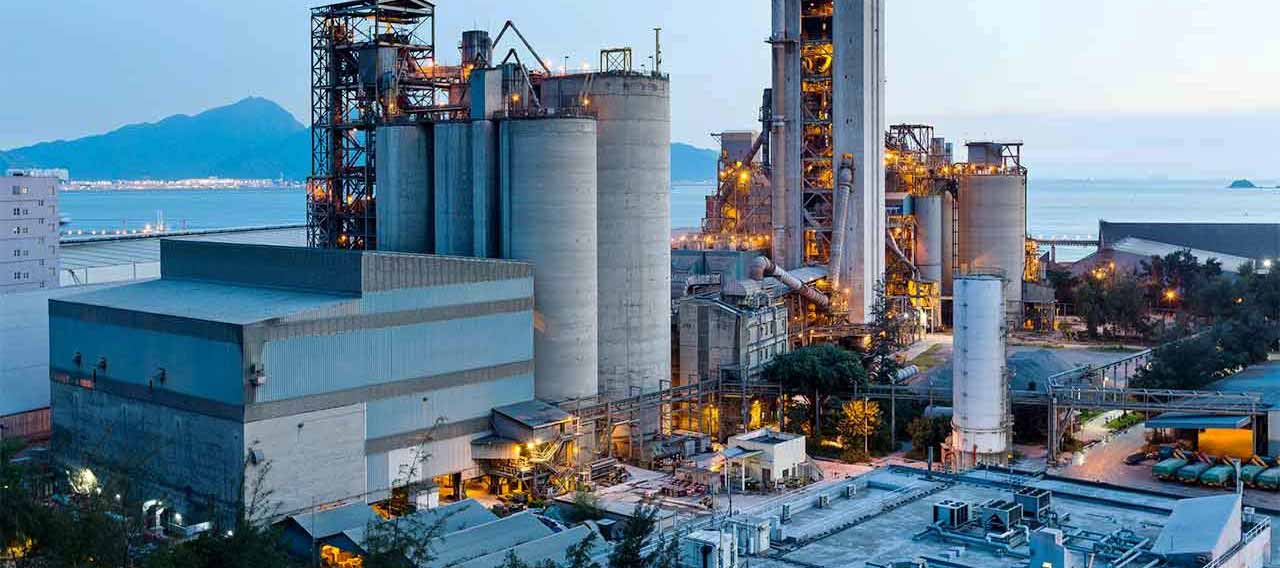
Cement Hub
Sources
1Heat and Health, https://www.who.int/news-room/fact-sheets/detail/climate-change-heat-and-health
2Quantifying the Rising Impacts of Heat-Related Productivity Losses in the U.S., https://heat.gov/news/quantifying-the-rising-impacts-of-heat-related-productivity-losses-in-the-u-s/
3Nearly 28,000 Work Injuries Every Year are Linked to Hot Weather, ,https://publichealth.gwu.edu/nearly-28000-work-injuries-every-year-are-linked-hot-weather
4Impact of U.S. Labor Productivity Losses from Extreme Heat” by Gregory Casey, Stephie Fried, and Matthew Gibson, FRBSF Economic Letter 2024-14 (May 28, 2024), https://www.frbsf.org/research-and-insights/publications/economic-letter/2024/05/impact-of-us-labor-productivity-losses-from-extreme-heat/. The opinions expressed in this article do not necessarily reflect the views of the Federal Reserve Bank of San Francisco or the Federal Reserve System.