
- About Us
- Climate & Environment
- Our Culture
- Governance
- Stories

Chubb Group Executives

Chubb has operations in 54 countries and territories and can help clients manage their risks anywhere in the world.

The company took its present form in 2016 when ACE Limited acquired the Chubb Corporation, creating a world leader in insurance.

The National Geographic Society and the Chubb Charitable Foundation are partnering together to drive transformational change for vital ecosystems at the intersection of land and water.

Chubb Climate+ draws on our extensive technical capabilities in underwriting and risk engineering, bringing together Chubb units engaged in Renewables, Alternative Fuels, Climate Tech, and Risk Engineering services.

At Chubb, we recognize our responsibility to provide solutions that help clients manage environmental risks, to reduce our own environmental impact and to make meaningful contributions to environmental causes.

Chubb’s culture is defined by who we are, the behaviors we expect of each other, and what we reward and recognize.

Guided by steady leadership and a commitment to the highest levels of personal and professional integrity.


Discover our latest news, insights, stories and profiles
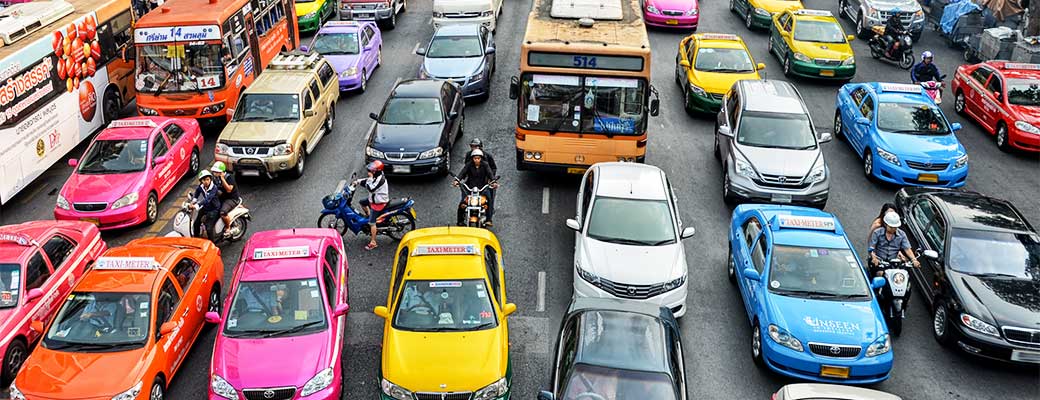
For delivery and rideshare drivers, accidents and injuries frequently come with the territory.
The gig economy – that segment of the labor market characterized by self-employed workers who freelance or sign short-term contracts as opposed to taking permanent, full-time jobs – has been expanding dramatically in the past 20 years and shows no signs of slowing down. In 2023, the World Bank estimated that there could be as many as 435 million independent workers around the globe who use apps, digital platforms, or other online services to connect themselves to clients or deliver their work.
Many of these workers are in fields that don’t necessarily pose any special threat to their physical health or well-being: Think graphic designers, housecleaners, freelance writers, pet sitters, or web developers. But for certain subsets of gig workers – especially those whose jobs require them to operate vehicles, such as delivery people and drivers for rideshare services – every new day brings with it the heightened risk of an accident or injury.
For these workers, the ability to purchase affordable personal accident insurance of the sort offered through Chubb – quickly and easily, with the literal click of a button on their phone – can spell the difference between a temporary setback and a disaster.
Under pressure
In a 2022 University College London study, researchers surveyed two different sets of food delivery drivers and discovered notable differences between self-employed gig workers who delivered for multiple clients and those who were employed full-time by individual restaurants. Even though both sets of workers were traveling the same streets and performing the same kind of work in the same types of vehicles, the gig workers faced much higher risk.
- They were nearly twice as likely to run through red lights (21% vs. 12%)
- They were nearly three times more likely to be distracted by their phones while driving (57% vs. 21%)
- They were more than three times as likely to report damage to their vehicle in a collision (25% vs. 7%), and nearly twice as likely to report an injury to themselves or to someone else as the result of a collision (11% vs. 6%)
Delivery driver accidents are a global problem. One 2025 study looking at accident rates for drivers in Brazil found that 44% of them had suffered an accident within a one-year period, with 82% of those accidents being reported as traffic accidents; more than half of these injured workers (56%) reported needing to take time off of work after an accident, and 22% reported that they had to miss 15 days of work or more. Researchers in Vietnam have come to a similar set of conclusions: More than half (54%) of delivery drivers there reported being involved in at least one accident over a 12-month period. In a recent survey of delivery drivers in Malaysia, 18% reported being involved in at least one traffic crash, 11% were involved in two traffic crashes, and 12% claimed that they had been involved in more than three traffic crashes.
The rapid, dramatic, and global growth of the rideshare sector in recent years has created tens of millions of new professional drivers who now carry passengers or products on roads around the world. These drivers are typically competing for rides in dense urban areas, working long hours, and frequently checking their platforms or GPS mapping services while in motion. As a 2024 University of Illinois Chicago study concluded, this is basically a recipe for risk: One third of the drivers who took part in the study told researchers that they had been involved in a crash while working – with the likelihood of a crash rising markedly if they were using a cellphone, driving while exhausted, or traveling on unfamiliar roads.
Vulnerabilities and solutions
Chubb’s 2025 report on the state of global remittances showed how gig workers around the world experience heightened financial instability and limited social safety nets. In exchange for the flexibility and freedom they enjoy as private contractors, many of them, including delivery and rideshare drivers, frequently lack access to many of the institutional protections – such as worker’s compensation, employer-subsidized health benefits, and insurance – that they would enjoy as full-time, permanent employees. Without such protections, these workers are highly vulnerable to medical expenses and/or sustained loss of income due to accident or injury.
The digital platforms through which these workers find their gigs have an opportunity to mitigate risk and reduce vulnerability by instituting safety training and road awareness measures, as well as by promoting a culture where hazards and near-misses can be reported by drivers without fear of punishment or penalty. Another solution: affordable, accessible insurance products that can be embedded into these platforms, giving delivery and rideshare drivers added layers of protection. Through Chubb Studio, a technology platform that helps companies integrate our insurance products into their own digital offerings, delivery and rideshare companies can provide their independent contractor drivers an opportunity to purchase personal accident insurance that can help cover medical expenses and replace lost income during recovery periods.
Delivery and rideshare drivers are key – if frequently overlooked – players in the global digital economy. The services they provide have completely redefined modern notions of convenience and mobility for hundreds of millions of customers and are at the core of some of the world’s most successful business models. With their labor, however, comes unique risk. The good news is there are tailored insurance solutions available to these gig workers that can help mitigate some of this risk. Click here to learn more about how Chubb is helping.

Protecting gig workers and the remittances they send

Meeting remittance senders where they are

Mapping remittance risks: Protecting global money flows

2026 Flood Risk Report: Bridging the gap in protection
This webpage is advisory in nature and is offered as a resource to be used together with your professional insurance advisors in maintaining a loss prevention program. It is an overview only, and is not intended as a substitute for consultation with your insurance broker, or for legal, engineering or other professional advice.
Chubb is the marketing name used to refer to subsidiaries of Chubb Limited providing insurance and related services. For a list of these subsidiaries, please visit our website at www.chubb.com. Insurance provided by ACE American Insurance Company and its U.S. based Chubb underwriting company affiliates. All products may not be available in all states. This communication contains product summaries only. Coverage is subject to the language of the policies as actually issued. Surplus lines insurance sold only through licensed surplus lines producers. Chubb, 202 Hall's Mill Road, Whitehouse Station, NJ 08889-1600.